
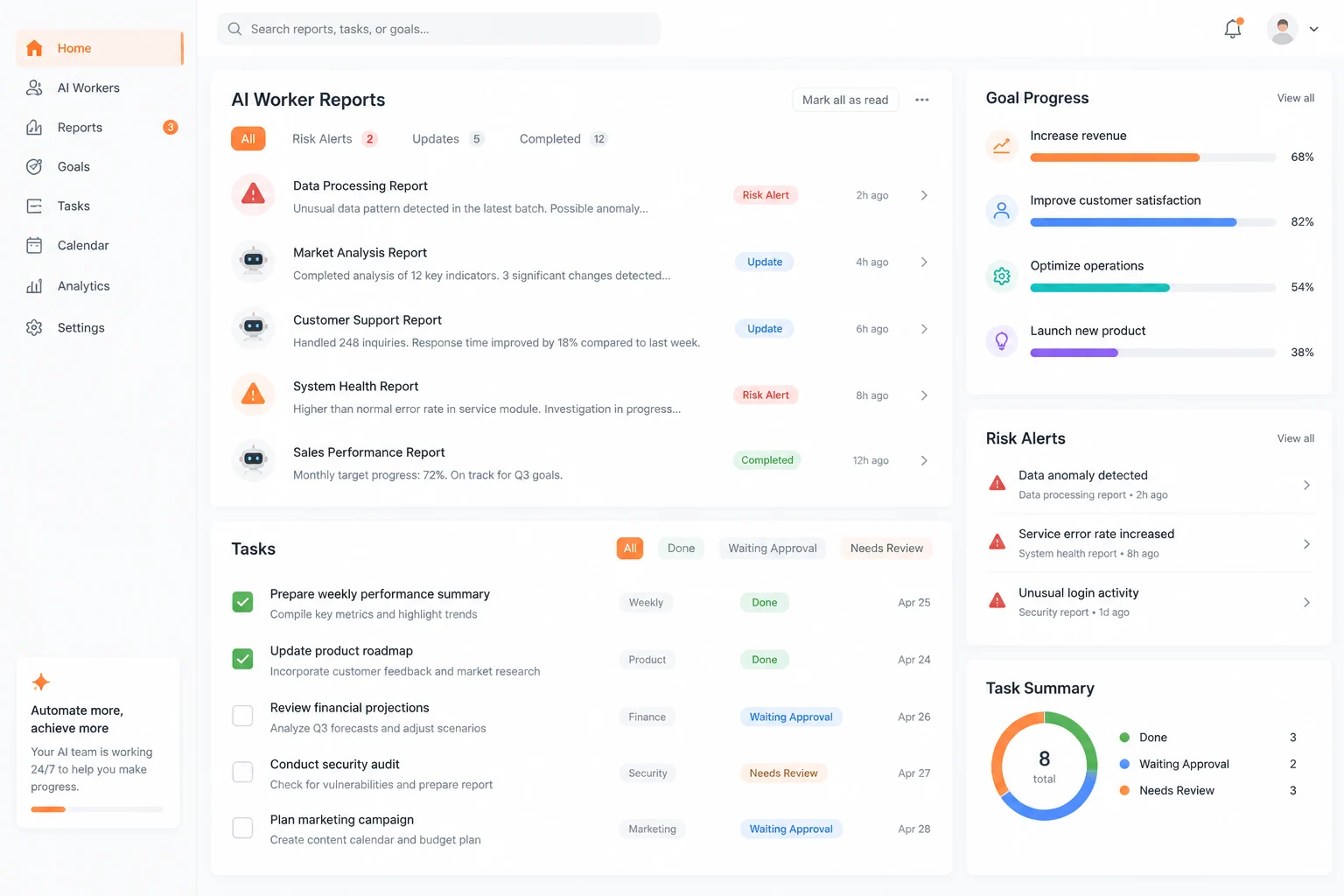
Our own agents
Action traces and outcomes from our agents working in real operations.

Data flywheel
We turn them into training data, so every model version is more accurate than the last.
The price actually quoted on an order, the deductions the platform actually made, the amount finally recovered: each is naturally a question and its ground-truth answer.
The stages rotate automatically. You can also tap any one.
We organize orders, quotes, cancellations, settlement gaps and recovery outcomes from our past cross-border supply chain business (2021–2025) into reconcilable end-to-end data. Cumulative transactions exceed $2B.
Step by step
What we do
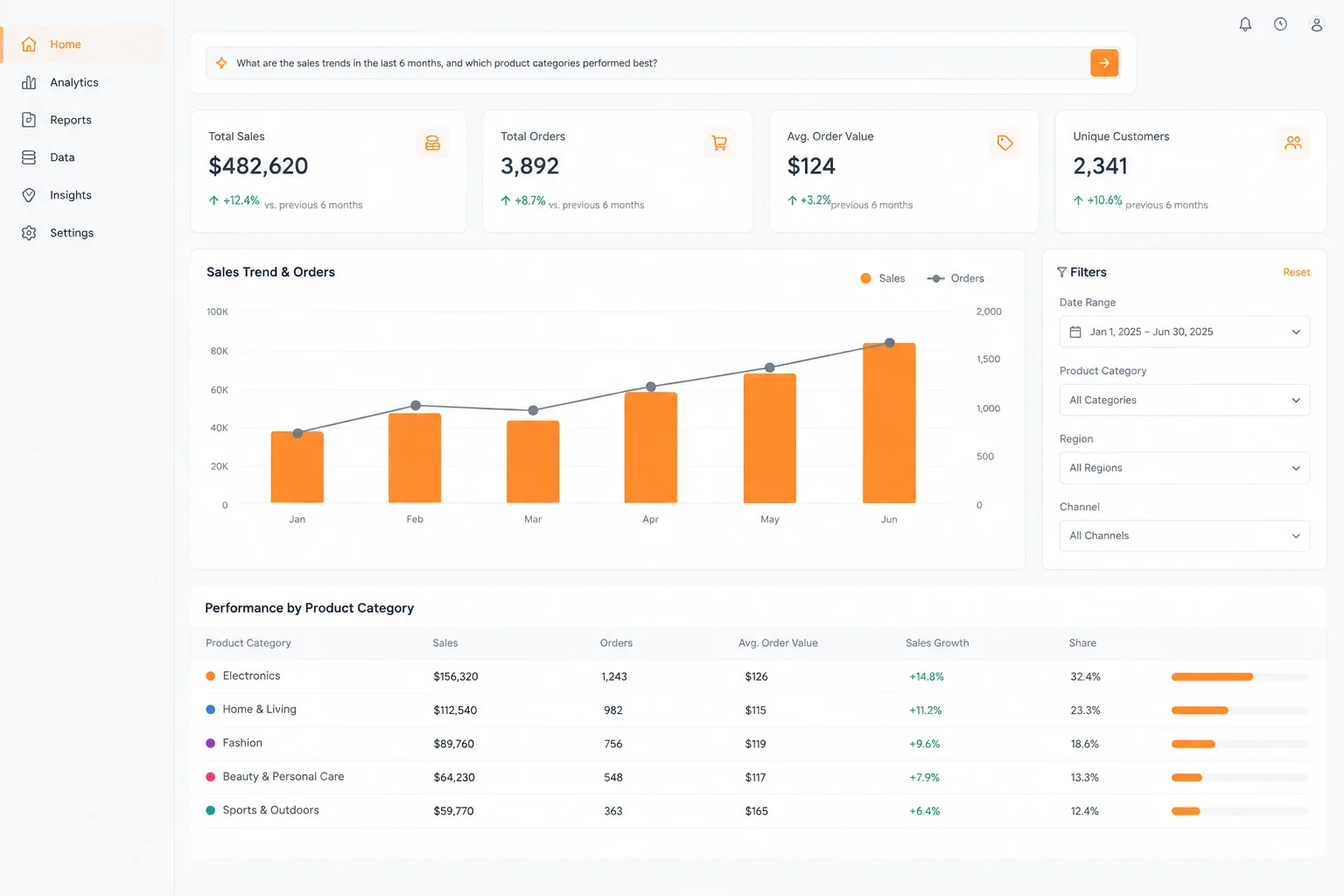
We organize orders, quotes, cancellations, settlement gaps and recovery outcomes from our past cross-border supply chain business (2021–2025) into reconcilable end-to-end data. Cumulative transactions exceed $2B.
What it delivers
A private, reconcilable data foundation in which every record carries its real outcome.
What we do
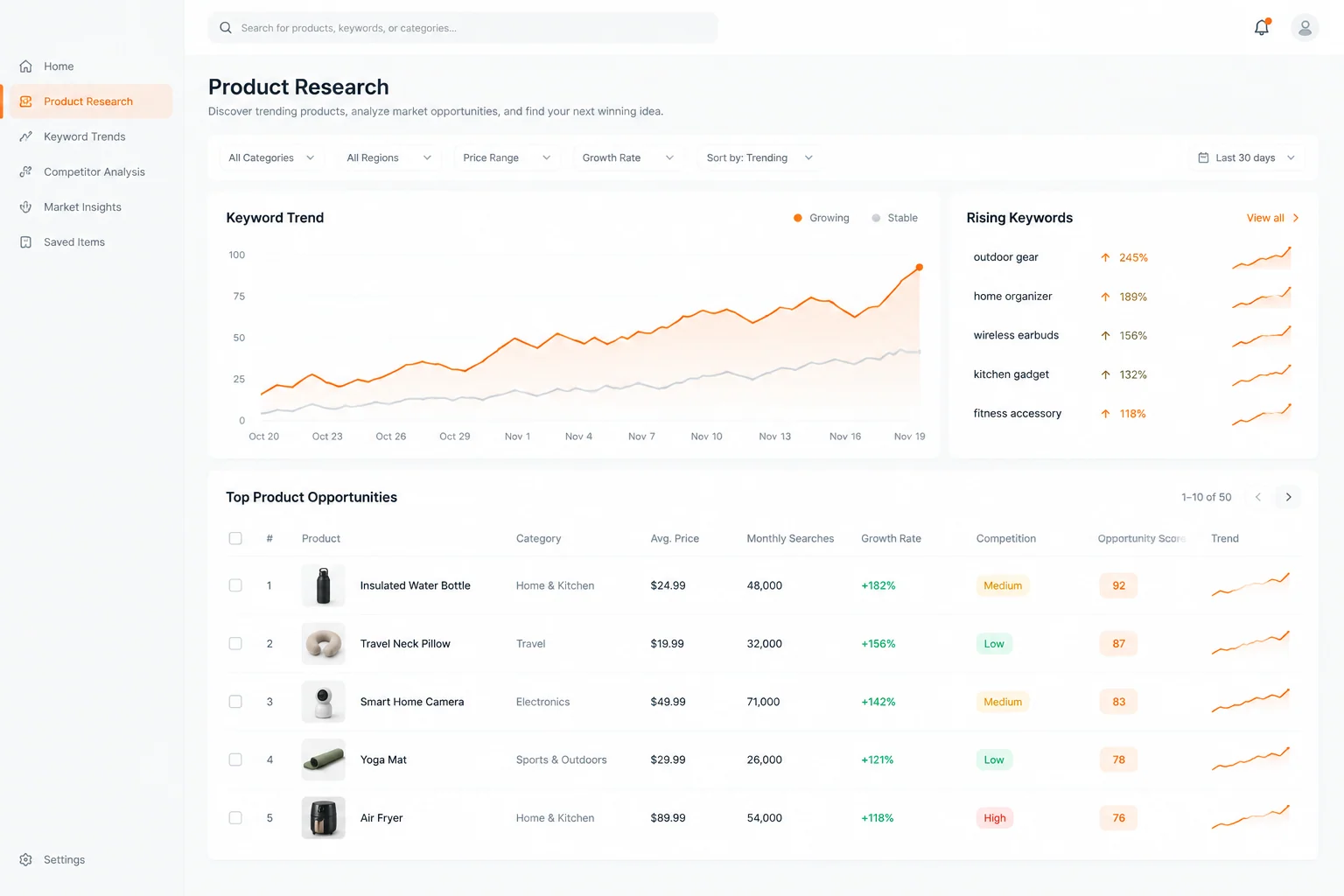
We rebuild the system state as it was, write the instruction in an operator's voice, and keep the real outcome as the answer key.
What it delivers
A batch of tasks with answer keys: instruction, environment snapshot and required output.
What we do
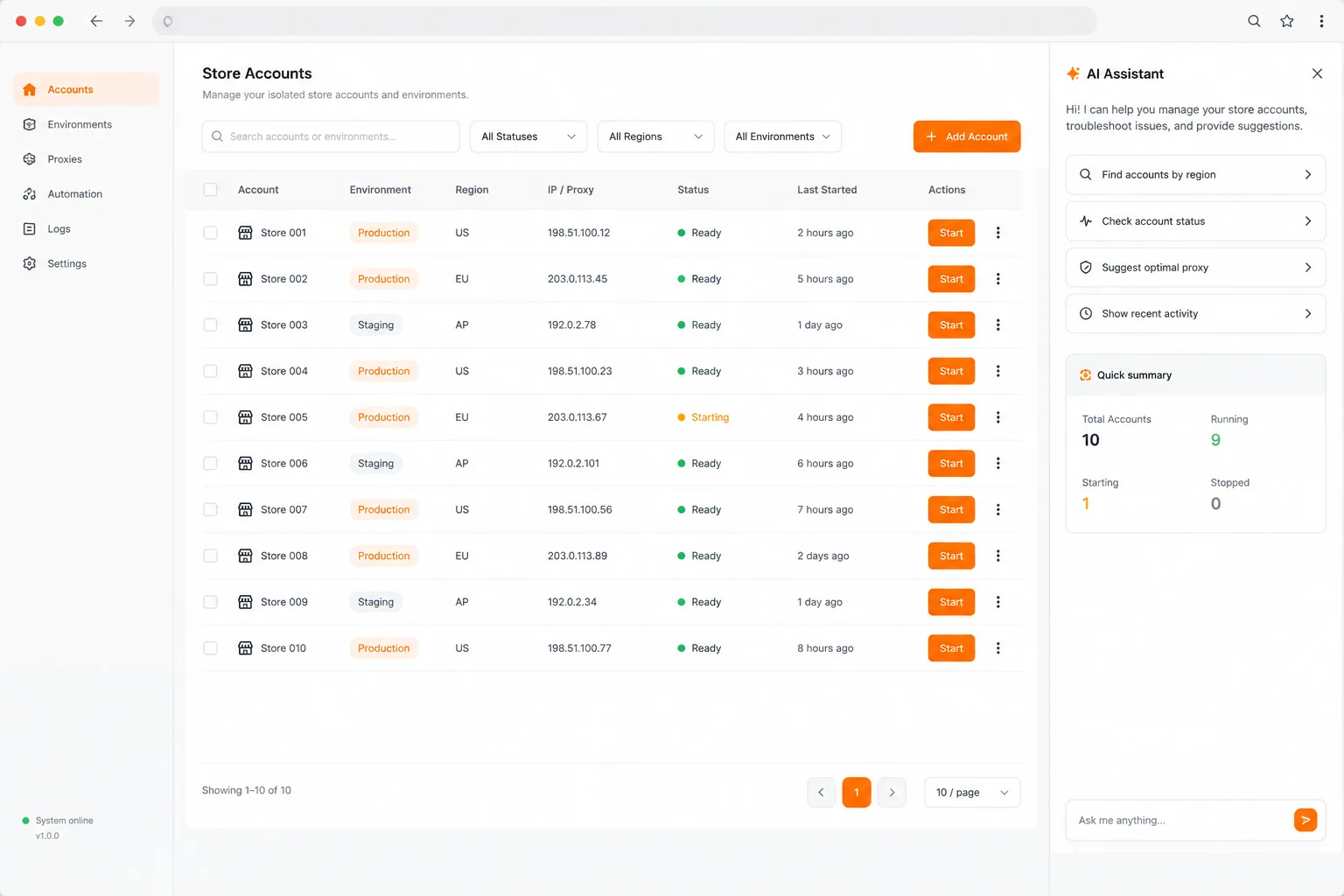
We mirror the orders, ads, inventory and fulfillment systems. The model calls tools and reads and writes data inside it, with no real-world consequences.
What it delivers
A reusable practice environment and the full action trace of every attempt.
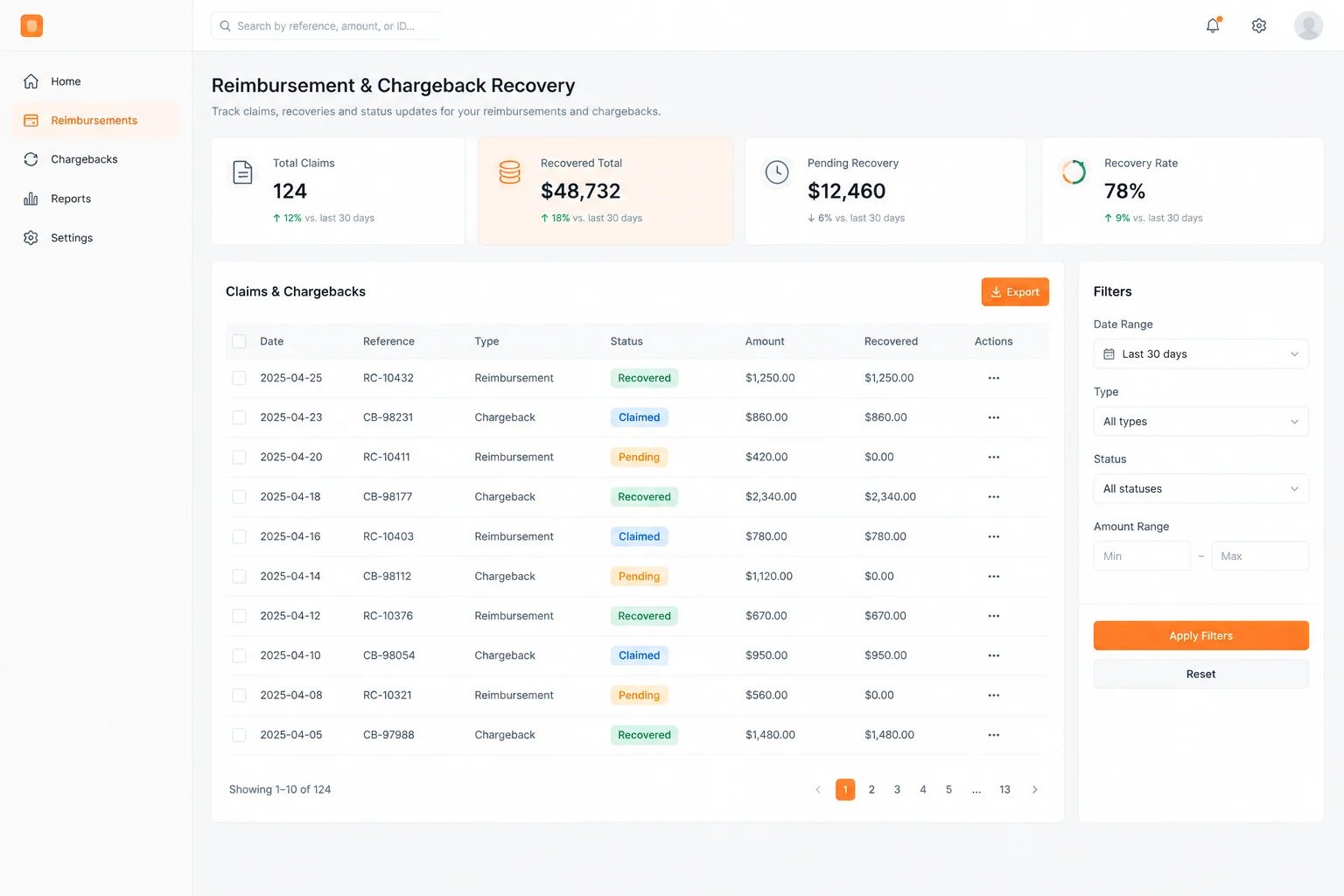
What we do
Expert-written rubric items are judged one at a time. Amounts are program-graded, diagnoses are expert-graded, and safety lines are a veto. Results flow back the same day.
What it delivers
Item-level results for every task, showing exactly what failed and why.
What we do
About 80% of demonstrations come from the real actions of experienced operators. Mistakes become new training samples and new tasks.
What it delivers
A new model version, and the list of tasks it now passes that it failed before.

What we do
Once a version passes the benchmark it ships through one gateway. Your systems do not change; they simply use the new version.
What it delivers
A new version of the model API, with release notes.
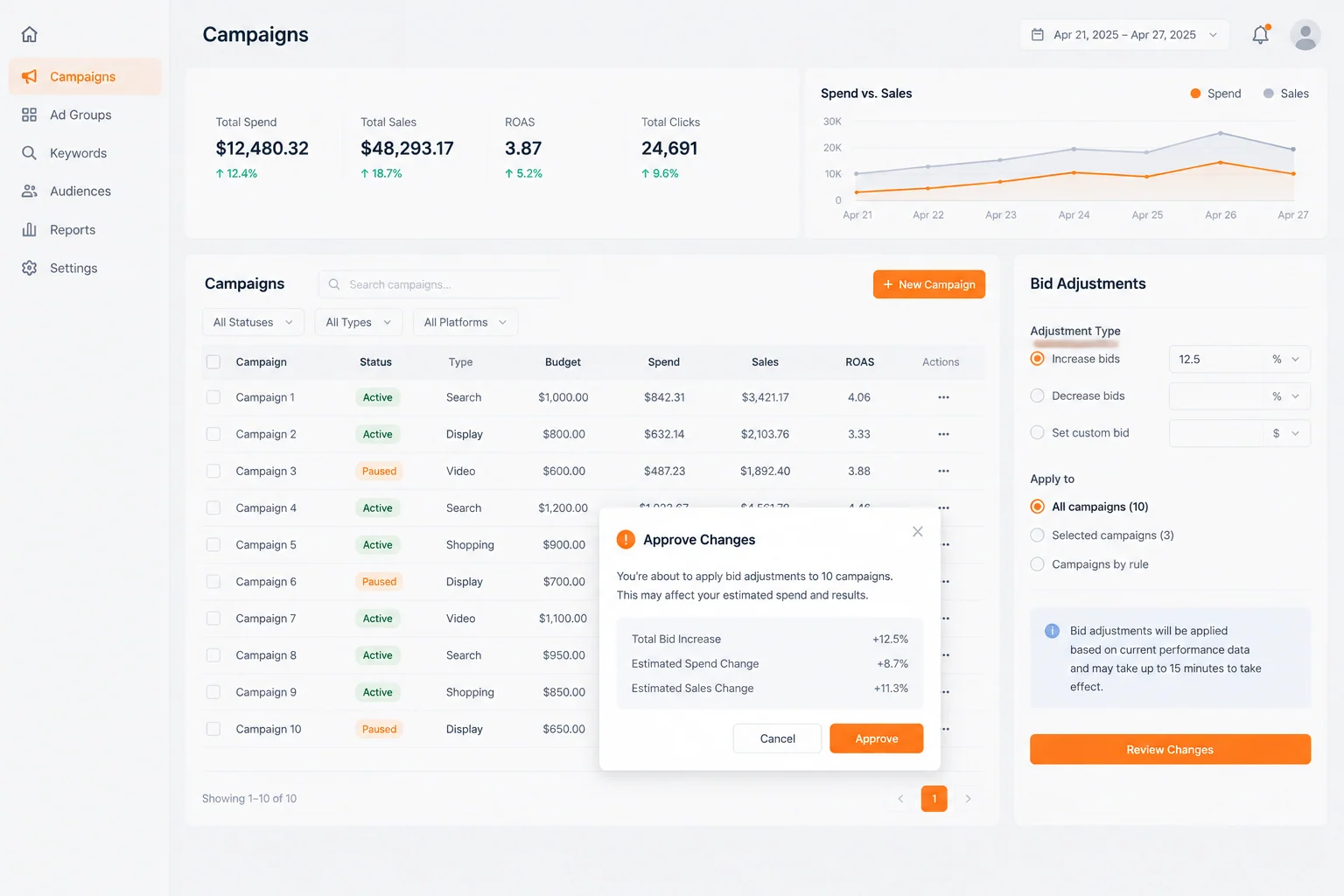
What we do
Agents work inside real customer operations and produce new traces and outcomes. With customer authorization and anonymization, they become the next round's data.
What it delivers
A new round of real data that returns to step one.
The demo loops on its own. You can also pick a scenario or run it again.
Scroll here and the demo starts by itself: one real record becoming a more accurate next model.
Data does not come only from us.
Action traces and outcomes from our agents working in real operations.

Business data from stores, browsers and logistics providers that connect, used with authorization.
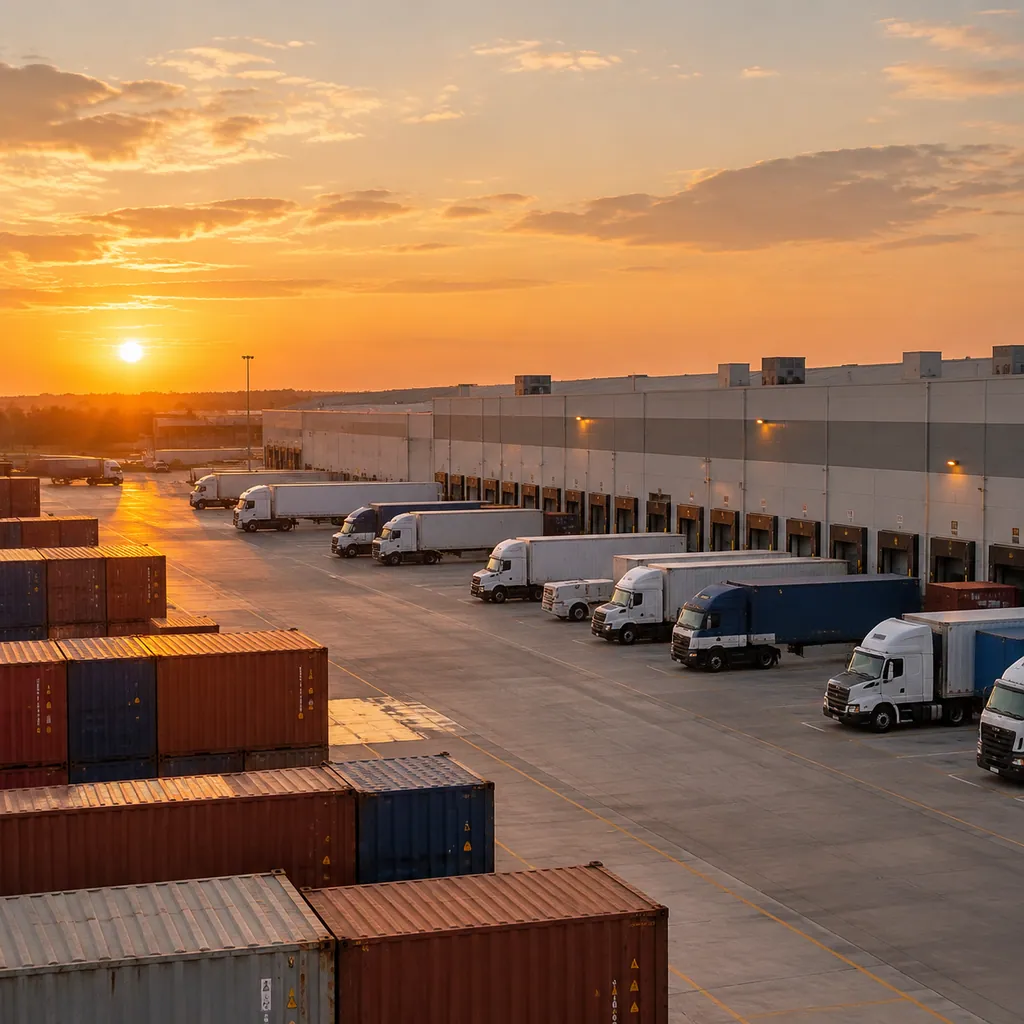
Profit, inventory and cash data from high-volume sellers, anonymized before it becomes tasks.
Public knowledge can be matched with retrieval, so we do not spend effort there. We write tasks only from private business data no one else has, and training and evaluation stay strictly separated.